Wabash Cannonball Road Overflow Bridge Replacement
City of St. Francisville

OBJECTIVE
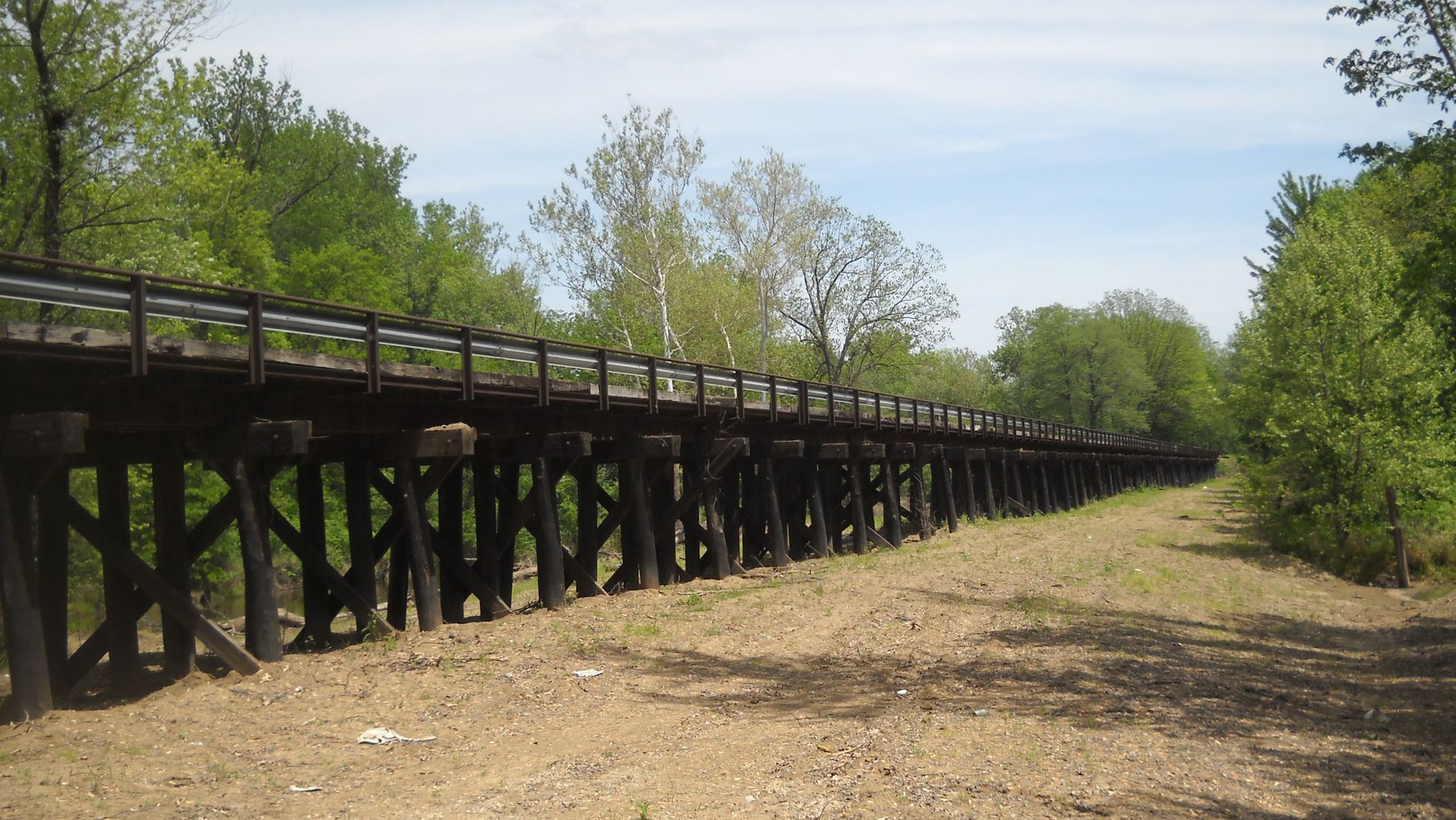
The Wabash Cannonball Overflow Bridge Replacement project addressed the need to replace a deteriorating, one-lane timber trestle bridge that had exceeded its service life and posed safety, maintenance, and reliability concerns for the City of St. Francisville. As a critical connection between Illinois and Indiana, the structure supports local traffic, emergency response, and regional commerce. The project required balancing infrastructure modernization with significant environmental constraints, including wetlands, floodplain conditions, and habitat for threatened and endangered species—all while maintaining traffic and minimizing impacts to surrounding natural resources.
PROJECT DESCRIPTION
HLR served as the lead engineering consultant for all phases of the project, providing Phase I, II, and III services including surveying, environmental studies, permitting, design, land acquisition, and construction observation.
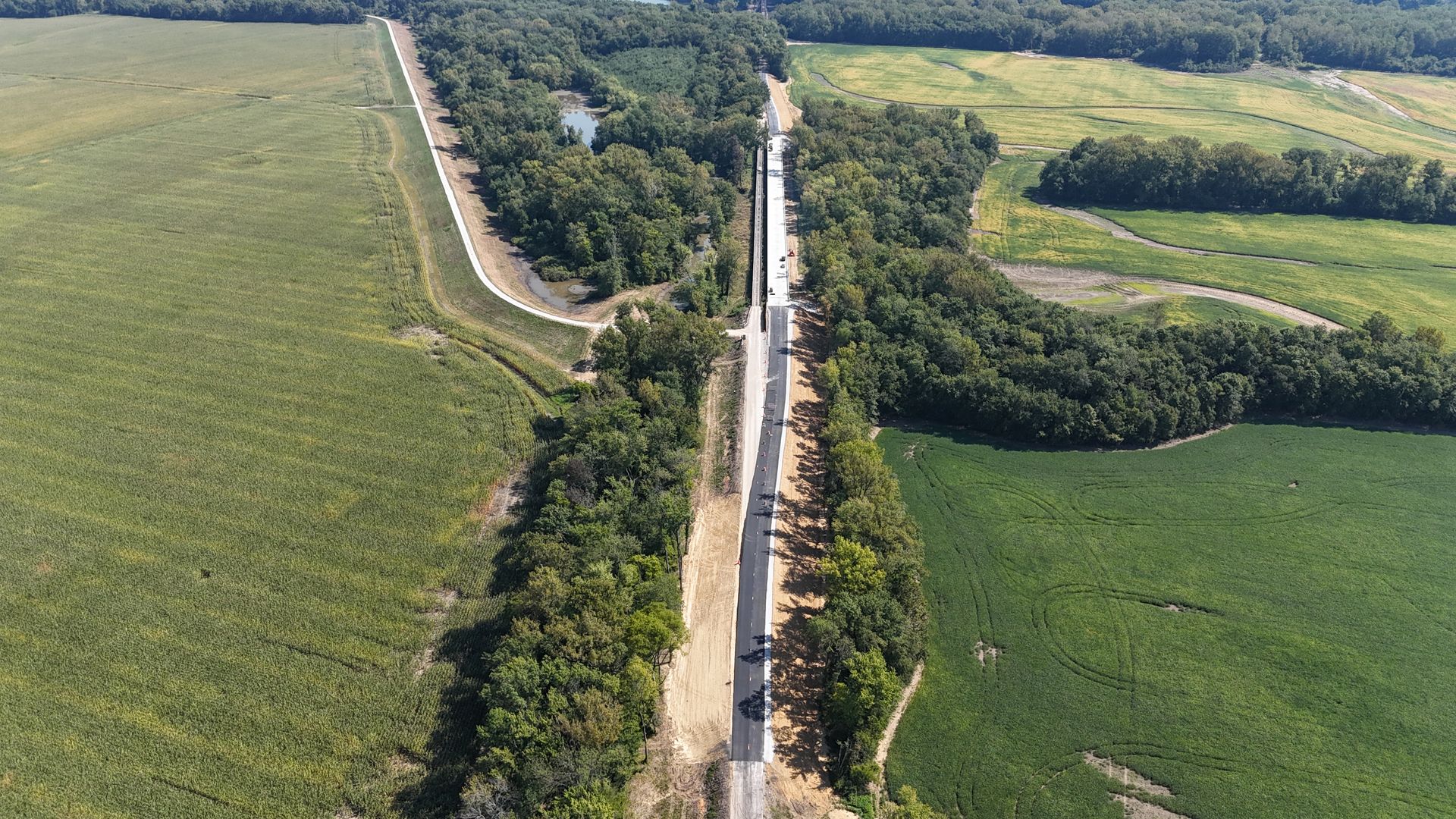
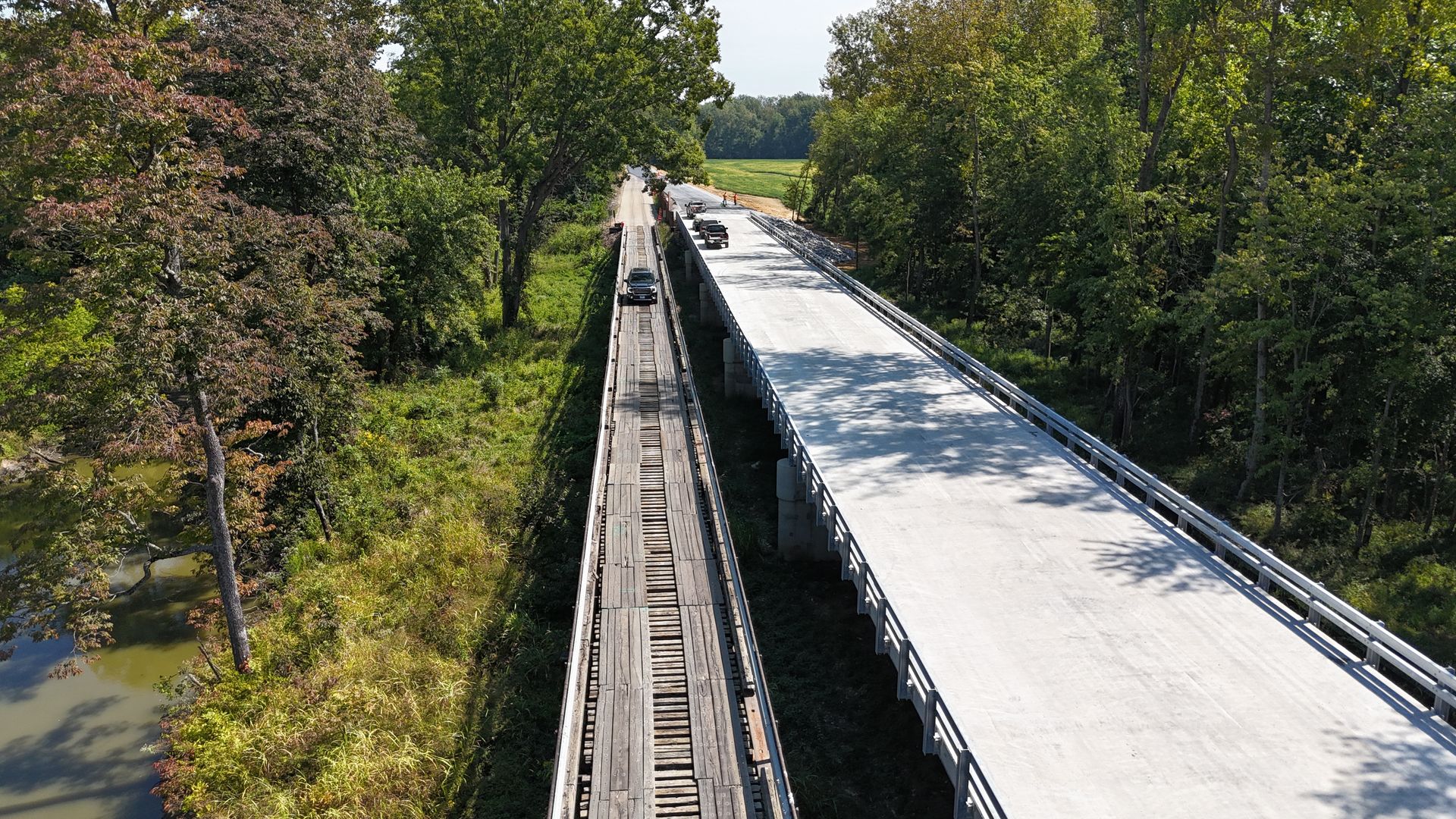
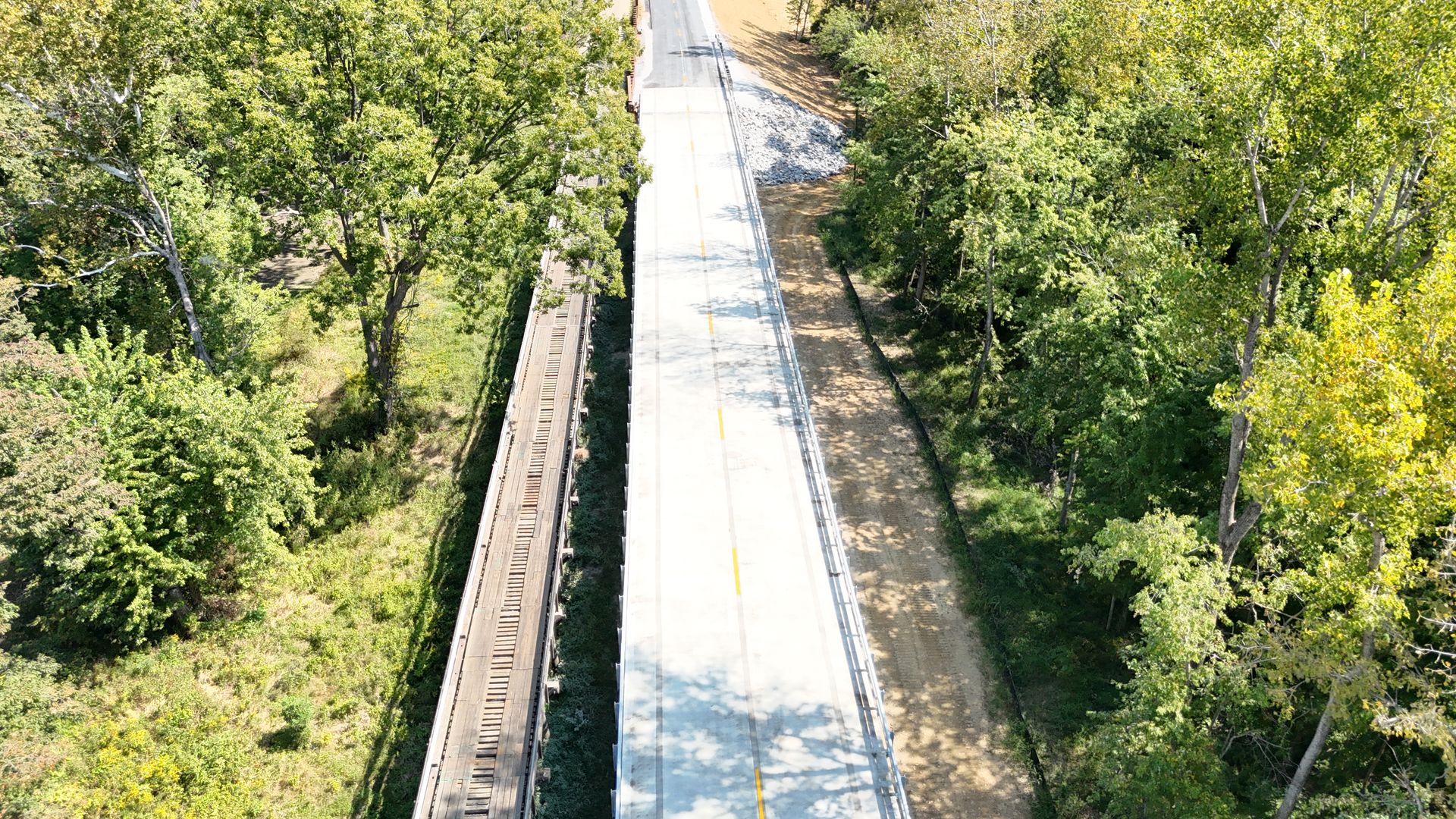
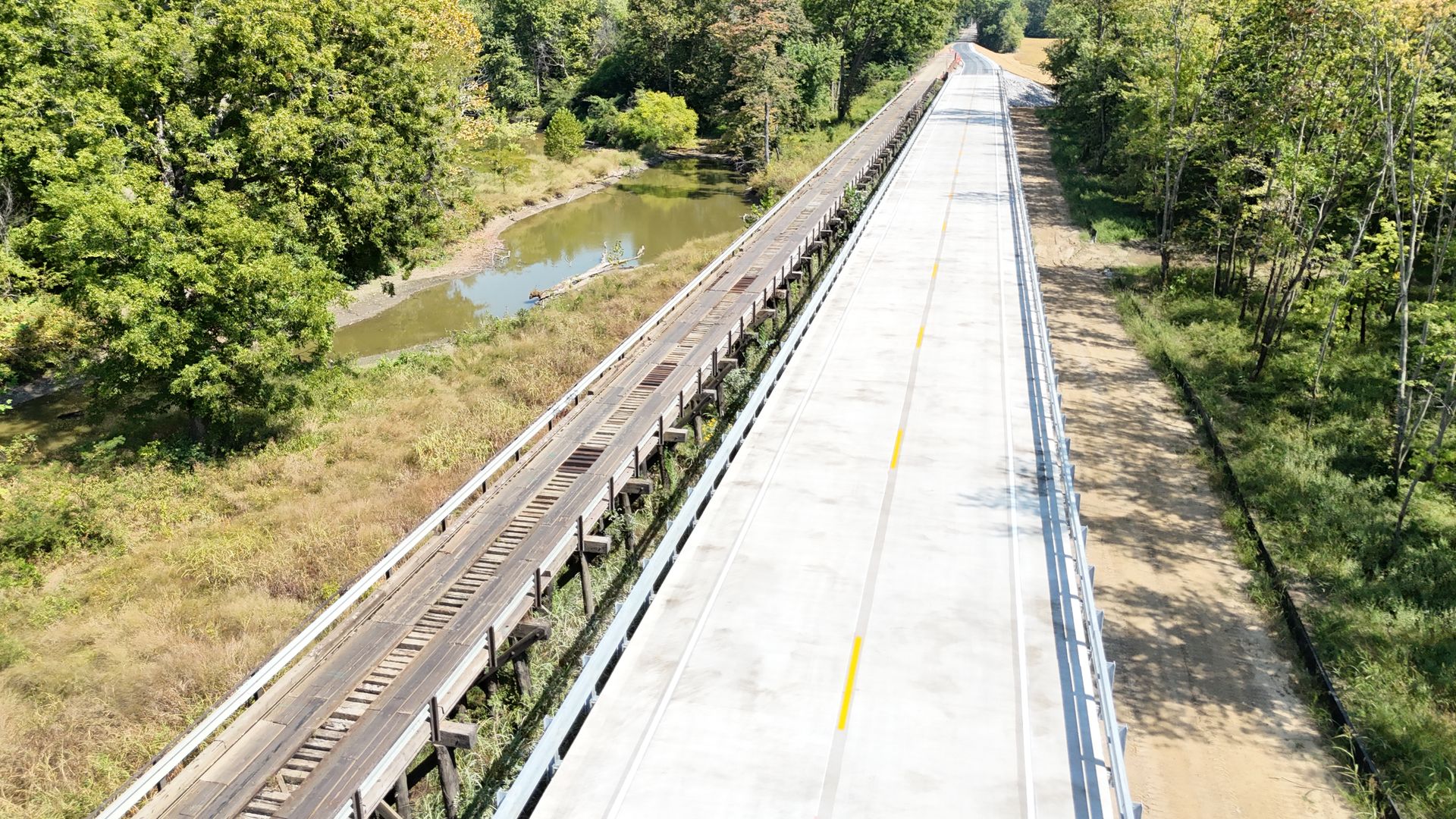
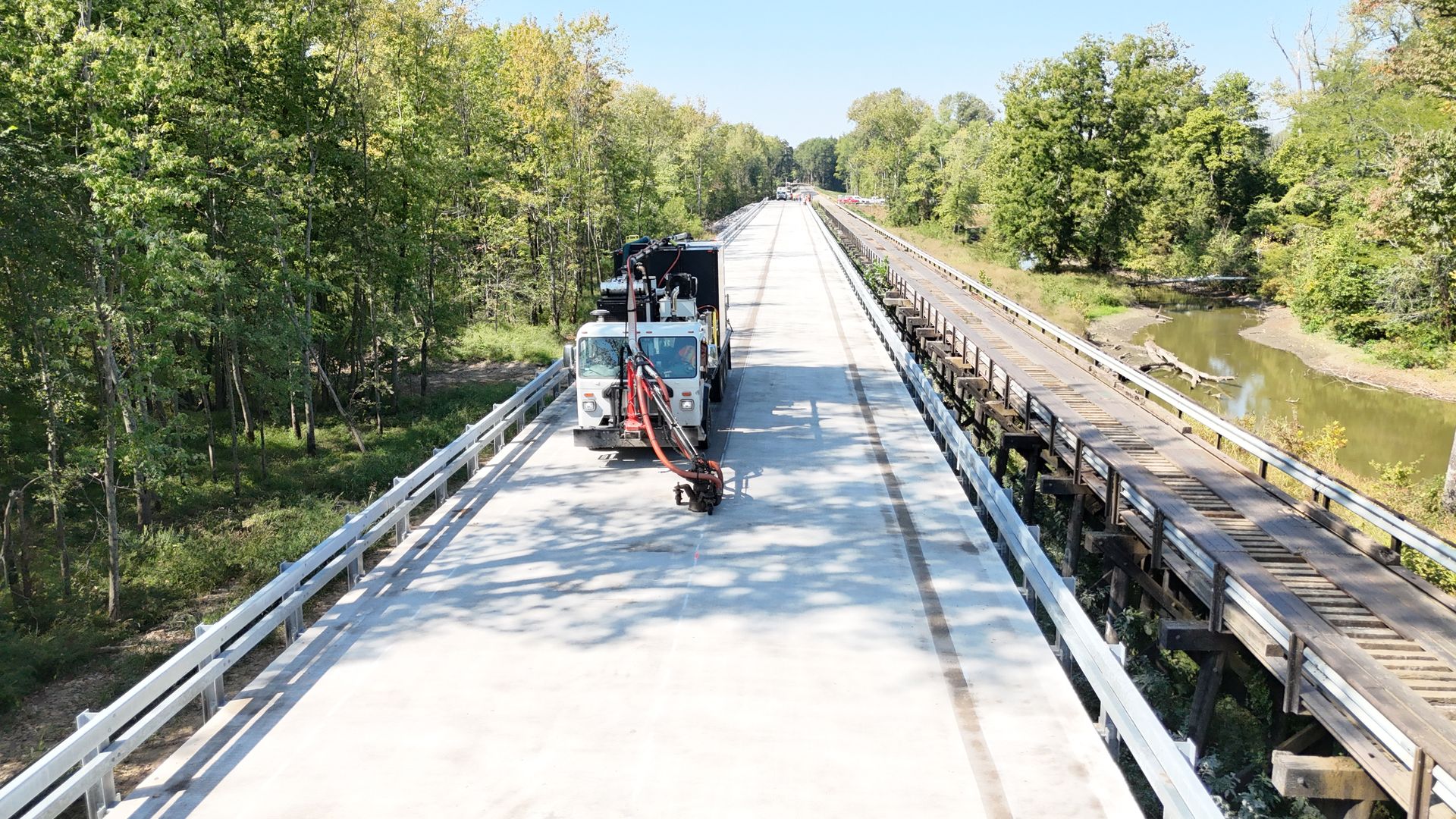
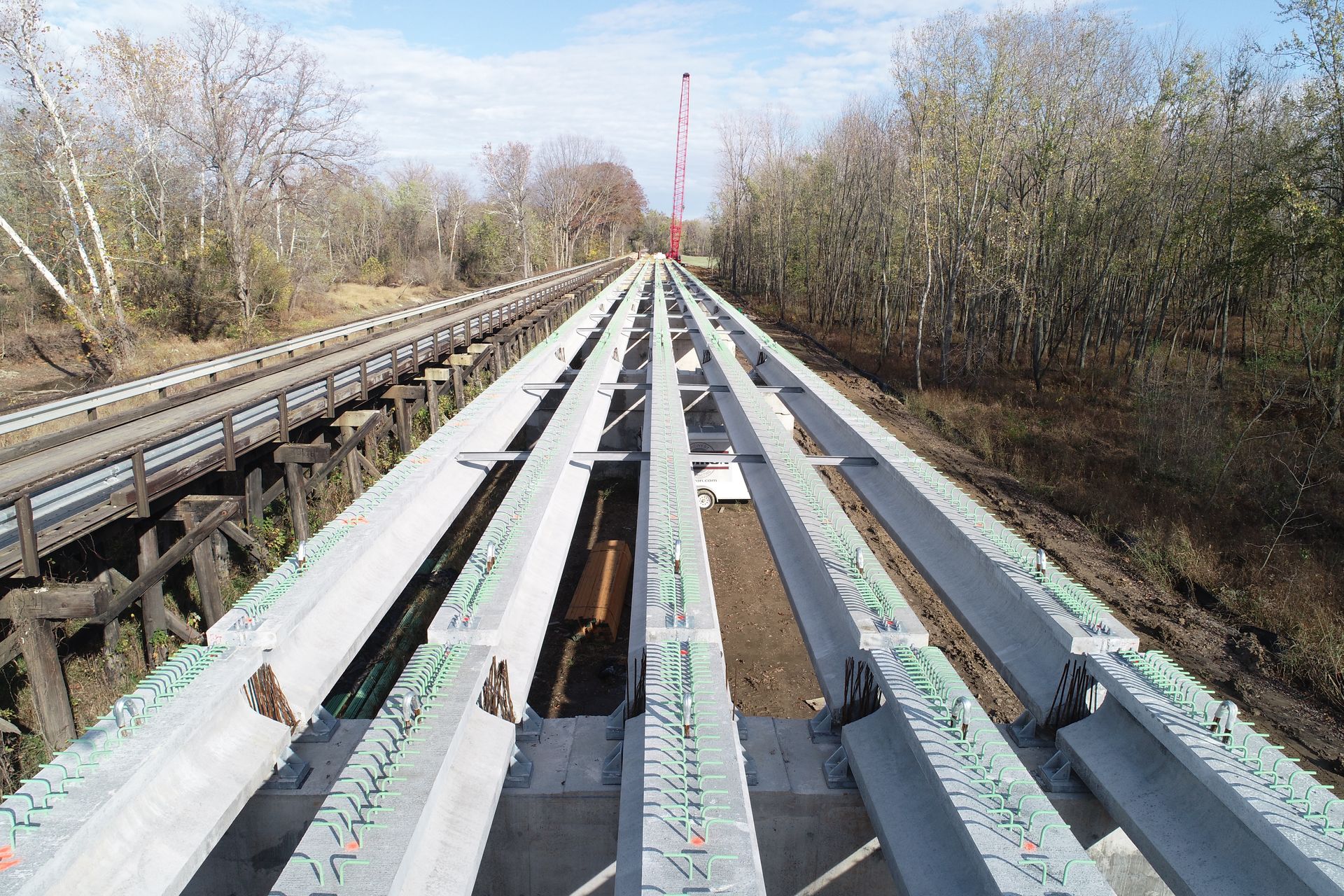
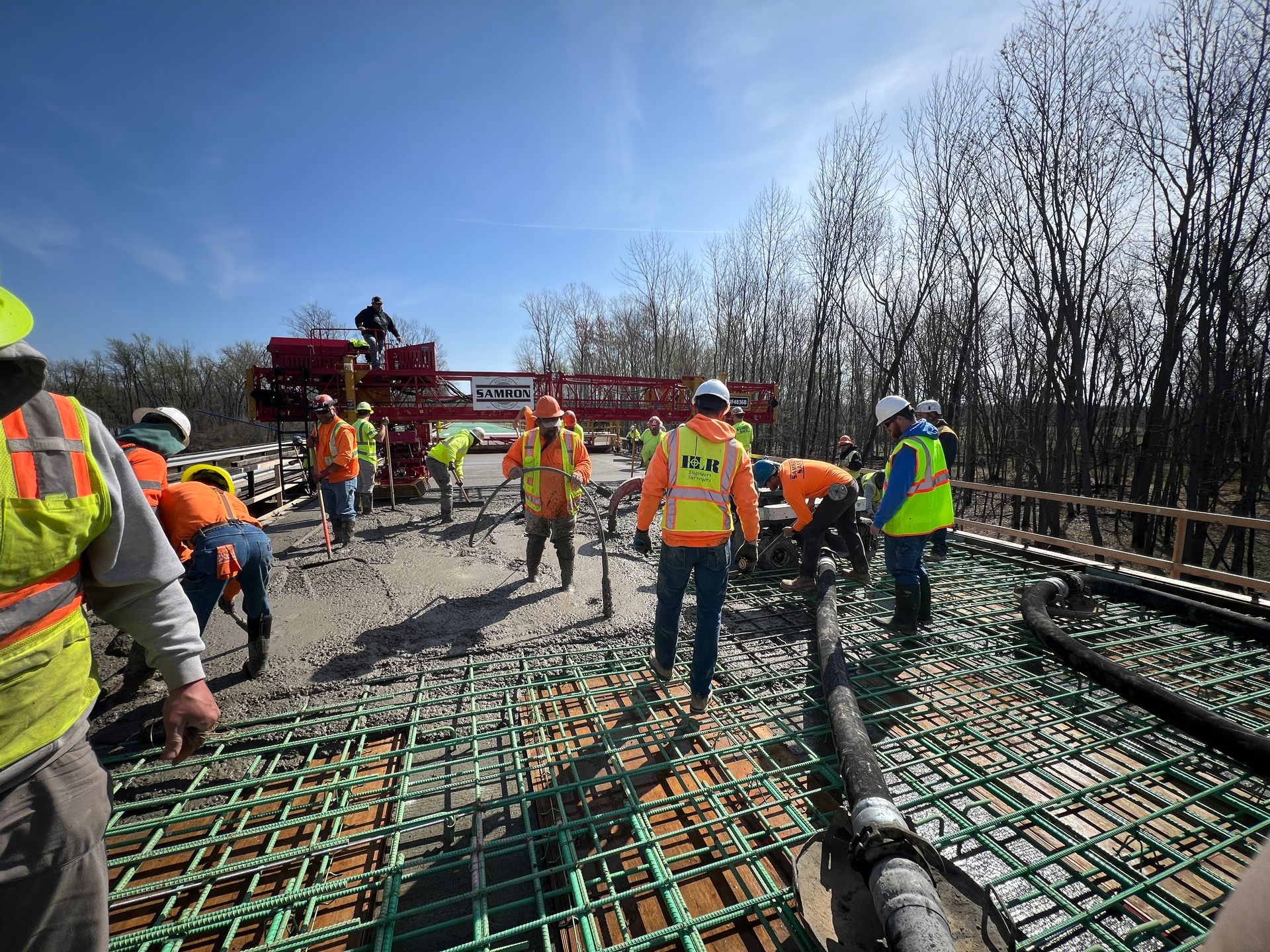
The project replaced the aging timber structure with an 11-span, 1,030-foot precast concrete girder bridge designed for long-term durability, reduced maintenance, and improved hydraulic performance. The new structure was constructed parallel to the existing bridge in two stages, allowing continuous traffic flow throughout construction.
Phase I services included preliminary engineering, environmental clearances, hydraulic modeling, public involvement, and coordination with multiple agencies. Phase II included detailed structural and roadway design, traffic staging, erosion control, and wetland mitigation planning, as well as preparation of right-of-way plats and acquisition of approximately 7.2 acres. Phase III includes construction engineering and ongoing monitoring of the wetland mitigation site.
A key component of the project was navigating complex environmental conditions. The project area included wetlands, floodplain, farmland, and habitat for protected species such as the state-endangered bloodleaf and eastern ribbon snake. HLR minimized impacts to sensitive areas and developed best management practices to protect species throughout construction.
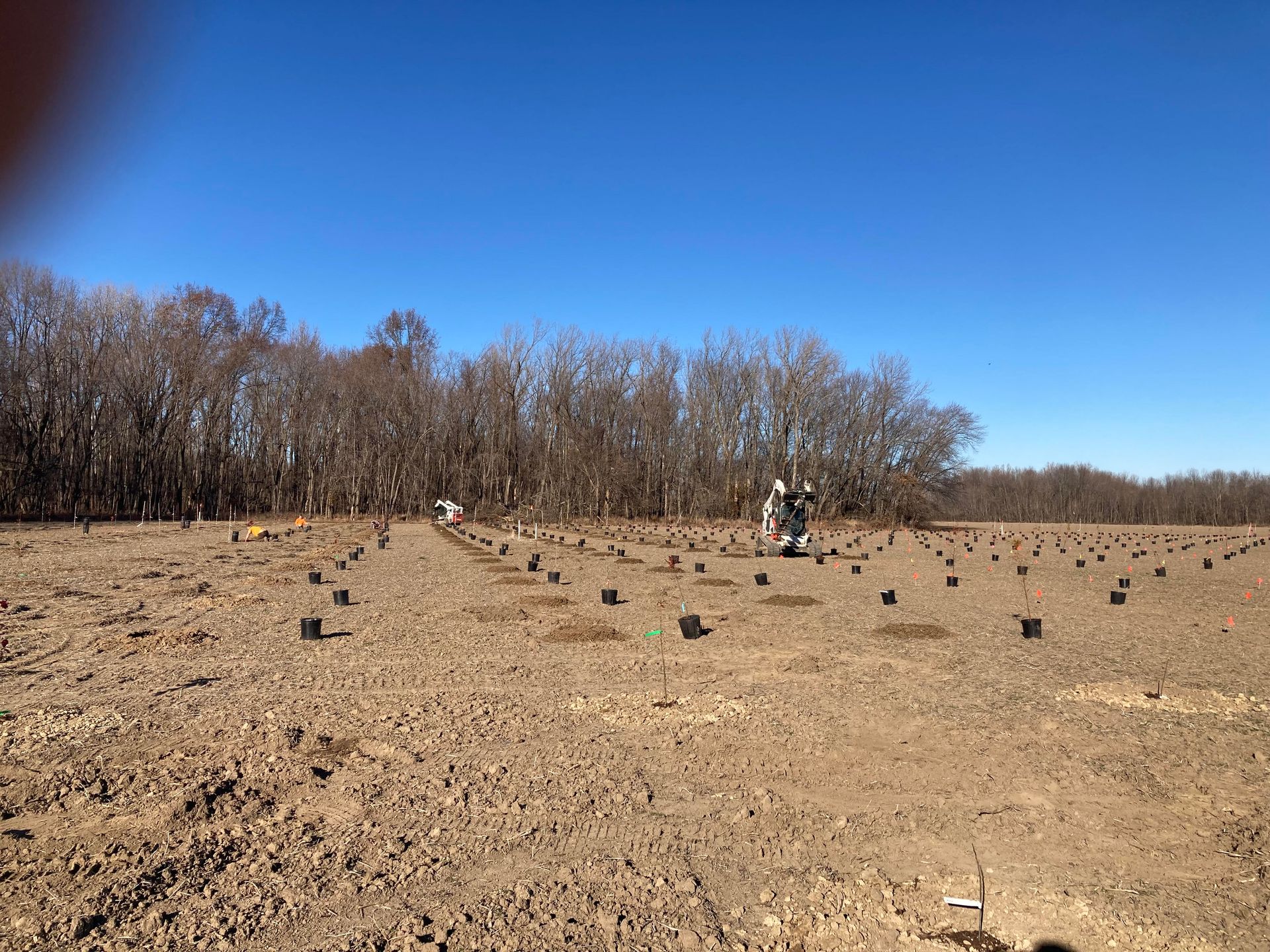
With no available wetland mitigation bank credits in the watershed, HLR designed and implemented a custom forested wetland mitigation site on nearby City-owned land. This solution restored agricultural land to native habitat while meeting regulatory requirements and providing long-term ecological benefits.
Innovative engineering solutions were also required to address site constraints. Limited access and environmental sensitivities led to the use of the existing bridge as a work platform for constructing new piers, minimizing disturbance to wetlands and maintaining safe traffic operations. Advanced hydraulic modeling informed bridge elevations, span configuration, and scour protection to ensure resilience within the Wabash River floodplain.
The completed project improves safety, enhances regional connectivity, reduces long-term maintenance costs, and provides a durable, resilient structure that integrates environmental stewardship with modern infrastructure design.
PROJECT HIGHLIGHTS
- Replaced a 1,100-foot deteriorated timber trestle with a modern 11-span, precast concrete bridge
- Maintained continuous traffic through staged construction alongside the existing structure
- Completed full Phase I, II, and III services including environmental, structural, and land acquisition
- Designed and implemented a custom ~5-acre forested wetland mitigation site due to lack of available credits
- Protected threatened and endangered species through coordinated environmental planning and construction practices
- Utilized advanced hydraulic modeling to optimize bridge design and flood resilience
- Delivered the project on time and within budget despite complex permitting and environmental constraints