HLR's Native Area Management Work Featured in APWA Magazine

HLR • April 6, 2022

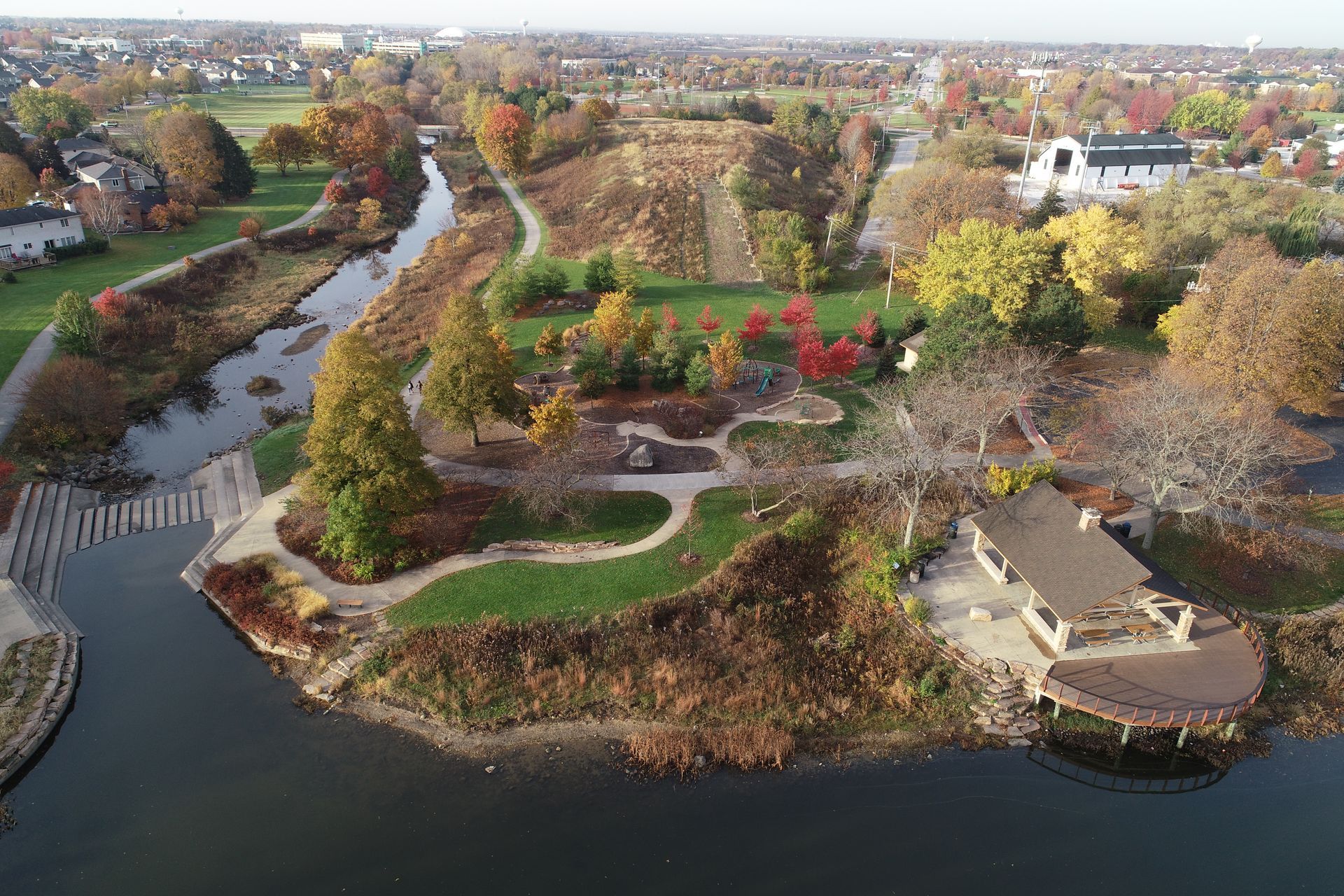
Once a stormwater impoundment, Fox Valley Park District’s Waubonsie Lake Park is now a beautiful recreational gem for the community after a ten-year process.

In 2012, a study was completed to determine that silt deposits in Waubonsie Creek and Lake reached a high enough level to require the City of Aurora to intervene. Thanks to the combined efforts of the City and Park District, a winding paved trail, which connects to a vast regional trail system, encircles a beautiful lake often used by residents for activities such as fishing and motor-free boating. The Park also features a modern pavilion, nature-based playground, restroom facilities, and a traditional playground. The restoration of Waubonsie Lake created the park’s newest feature: a sled hill adorned with a custom native plant population to encourage pollinator species activity and enhance the overall ecosystem.


Hampton, Lenzini and Renwick, Inc. (HLR) has managed the native portion of Waubonsie Lake Park since 2013 and looks forward to an ongoing partnership with the Park District and community to continue native area maintenance.


Click here to read the article about the Waubonsie Lake Park transformation published in the April 2022 edition of the APWA Reporter co-authored by Caitlan Rodriguez, Environmental Scientist at HLR, and John Kramer, Director of Operations for the Fox Valley Park District. The article also features beautiful aerial drone photography by HLR Survey Technician, Garret Bradt.


The award-winning APWA Reporter is the official magazine of the American Public Works Association, sent to more than 30,000 members around the country.


Learn more about HLR’s native area management and other environmental services here.

Share This Post

Recent Posts

By HLR June 16, 2026
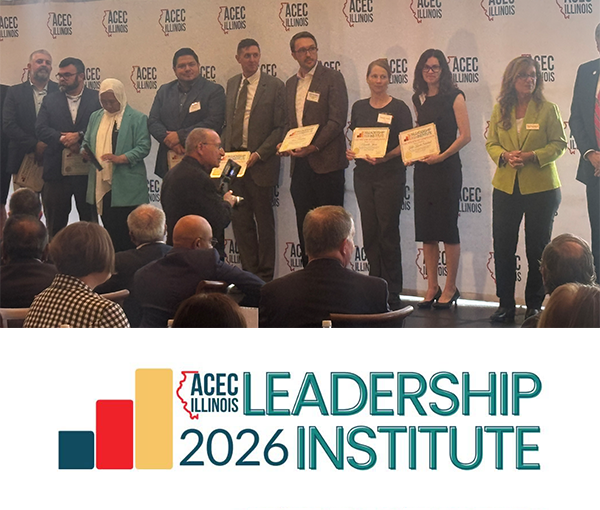
Graduates of the ACEC Illinois Leadership Institute Class of 2026 are honored during the ACEC Illinois Spring Board Meeting & Member Recognition Luncheon on June 16, 2026.
By HLR May 8, 2026
Hampton, Lenzini and Renwick, Inc. (HLR) is proud to congratulate Sergio Perez and the entire graduating class of the 2025–26 Elgin Area Leadership Academy (EALA).
By HLR January 12, 2026
Hampton, Lenzini and Renwick, Inc. (HLR), in partnership with the City of St. Francisville, is proud to announce that the Wabash Cannonball Overflow Bridge Replacement has received a 2026 Engineering Excellence Special Achievement Award from the American Council of Engineering Companies of Illinois (ACEC-Illinois) . This recognition honors projects that demonstrate exceptional engineering achievement, innovation, and public benefit, and the Wabash Cannonball Overflow Bridge Replacement stands as a powerful example of how thoughtful design can strengthen infrastructure while protecting sensitive natural environments. Replacing a Critical Lifeline The original bridge, a 1,100-foot timber trestle converted decades ago from a former railroad structure, had reached the end of its service life. Its narrow, one-lane configuration and severe deterioration posed growing safety risks and maintenance challenges for the City. As a vital connector between Illinois and Indiana across the Wabash River floodplain, the bridge plays a critical role in emergency response, commerce, and daily travel for residents and businesses. Recognizing the importance of this crossing, the City partnered with HLR to deliver a long-term solution that balanced structural performance, environmental stewardship, and community needs. Innovative Design in a Sensitive Environment HLR designed a new 1,030-foot precast concrete girder bridge constructed parallel to the existing structure and built in two stages to maintain traffic throughout construction. The new bridge features longer spans and fewer piers, reducing scour risk, debris accumulation, and long-term maintenance demands, key advantages in a dynamic floodplain environment. Precast concrete girders were selected over steel to provide greater durability, corrosion resistance, and life-cycle cost savings for the City, ensuring the bridge will serve the region reliably for generations. Environmental Stewardship as a Core Design Element Environmental coordination was central to the project’s success. Fourteen wetlands were identified within the project area, with impacts minimized to less than half an acre. When no wetland mitigation bank credits were available in the watershed, HLR developed a 5-acre forested mitigation wetland on City-owned land nearby, transforming a regulatory challenge into a lasting environmental asset. The project also required careful protection of threatened species, including the state-endangered bloodleaf and the eastern ribbon snake. Close coordination with the Illinois Department of Natural Resources, U.S. Army Corps of Engineers, and other agencies ensured full compliance while preserving sensitive habitats. Engineering Ingenuity from Start to Finish Tight environmental constraints and limited site access required creative construction solutions. Concrete piers were placed using the existing bridge as a work platform, minimizing disturbance to surrounding wetlands while maintaining continuous traffic. Despite complex permitting and pandemic-era agency coordination challenges, the project was completed on time and within budget. A Model of Balanced Engineering Excellence The ACEC-Illinois Special Achievement Award recognizes the Wabash Cannonball Overflow Bridge Replacement as a project that goes beyond structural design, demonstrating how engineering can connect communities, protect natural resources, and deliver lasting public value. HLR is proud to have partnered with the City of St. Francisville on a project that r eflects the firm’s commitment to innovative design, environmental responsibility, and resilient infrastructure .